What is a smart meter, and why you're getting one
The meter that finally makes your energy visible — and under new rules, every home in the national market is getting one by 2030.
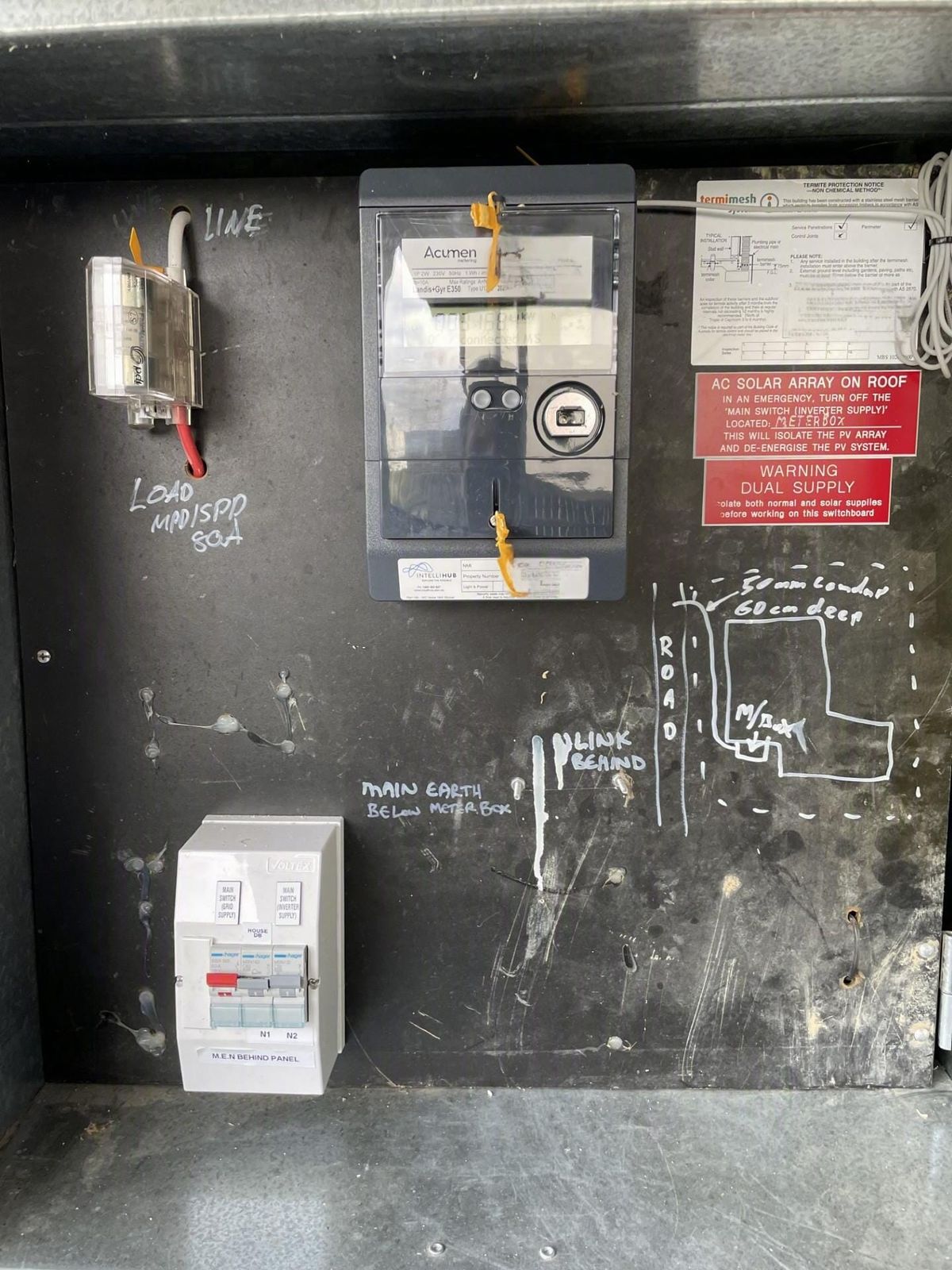
A smart meter is a digital electricity meter that records how much power your home uses — and, if you have solar, how much you send back to the grid — and reports those readings to your retailer automatically, usually over the mobile network, with no one visiting to read it.
That last part sounds minor. It isn’t. It quietly changes what your energy company — and you — are able to see.
What’s different from the old meter
The old-style meter keeps one running total. A person visits every quarter, reads it, and you get a bill for the lump of power used since last time. It tells you how much, and nothing about when.
A smart meter records your use in short intervals through the day. So your electricity has a shape — mornings, middays, evenings — not just a total. That shape is what makes time-of-use pricing possible, and it’s what lets your retailer measure the solar you export accurately enough to pay you a feed-in credit for it.
If you have solar, this is the meter that can tell apart the power you pull from the grid and the power you push back. Putting in solar or a battery usually triggers one being installed.
The part most people miss: they’re now compulsory
Under reforms the national energy rule-maker finalised in late 2024, Australia is moving every home in the national electricity market onto a smart meter by 2030, and the old right to refuse one has been removed. If your retailer contacts you to arrange an installation, you can’t opt out.
By late 2024, about 57% of meters in the national market were already read remotely — nearly all of Victoria, far fewer elsewhere. The rollout speeds up from December 2025 to reach everyone by 2030.
There’s one protection worth knowing. Since 1 December 2025, once a smart meter goes in, your retailer can’t change your tariff structure for two years without your consent. So a new meter doesn’t automatically drop you onto a time-of-use plan — that’s still your call.
What this means for you
You’re getting a smart meter whether you asked for one or not, and that’s genuinely good news — but only if you use what it gives you. A meter only records. It won’t tell you that your hot water runs at midnight on the most expensive power of the day, or that half your solar is going out for a few cents. It just makes those facts knowable for the first time.
So do one thing: ask your retailer for access to your usage data, or find it in their app, and actually look at the shape of your day. If you’d like a head start, our solar savings calculator draws your solar day for your postcode, and the battery decision piece shows what that shape is worth once you can finally see it.