The house I couldn't see into
I'm an environmental scientist with solar, a heat pump and an 8-star home — and I still couldn't tell you what any of it was actually doing. That gap is why this newsletter exists.

It started with my heat pump.
I’d set it up the way most people do — a few buttons on the front of the unit, a target temperature, done. But I never really knew what it was doing. Was it running efficiently? Was it working harder than it needed to? Mine’s an older model, without the app and the tidy dashboard the newer ones come with. So I was guessing. I’d set it and hope.
That bothered me more than it should have. I’d been learning to code, and I decided I’d build something small to give me a window into that one machine — just so I could see it. The small thing kept growing. It became Powermind, the software I’m building now.
But the real lesson wasn’t about heat pumps. It was that I’d been flying blind in my own house, and I hadn’t even noticed.
The assumptions I never checked
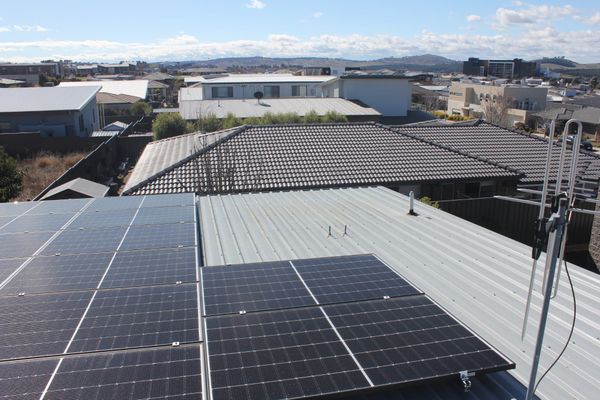
Take my solar. When I put it in, I assumed the power I sent back to the grid was quietly knocking money off my bill — a fair trade for a fair amount. It felt obvious enough that I never looked.
When I finally did look at what I was actually paid for that exported power, it wasn’t the deal I’d pictured.
I’m not going to put the numbers here; that’s a whole article on its own, and it’s coming. The point is smaller and more uncomfortable. I had solar, a heat pump, an 8-star house and a career in this field, and I’d still never checked the one thing that decided what it was all worth.
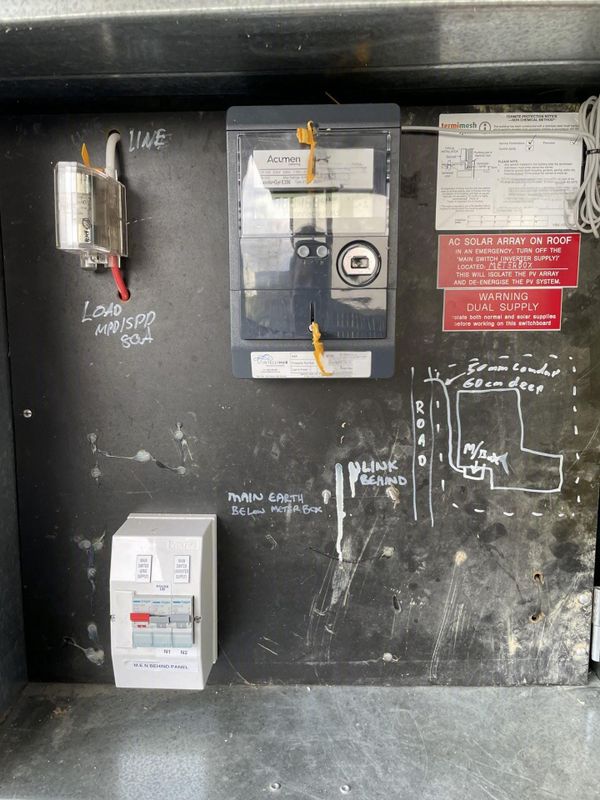
I don’t think that makes me careless. I think it makes me normal. Nobody hands you the picture. The information sits in a portal you log into once, or on a meter on the side of the house you never read. Most people aren’t lazy about their energy — they’re busy, and no one has ever shown them where to look.
You can’t manage what you can’t see. Most of us have never been shown where to look.
What this is
Behind the Meter is about the things in your home that quietly use the most energy — hot water, heating and cooling, the car if you have one — explained plainly enough to act on, but honestly enough to trust.
My background helps here, and it’s a particular kind. I’ve been an environmental scientist since 1998, and the through-line of that whole career has been verification: checking whether something actually does what it claims to. That’s the lens I bring to every issue. Not “here’s the exciting new thing” — “here’s what it really does, and here’s how you’d check it for yourself.”
I should be upfront about one thing, because it colours everything I write. I build software — Powermind — that helps you see and use more of your own energy. So when I tell you something, I have a reason to want you interested. The honest way to handle that isn’t to hide it; it’s to show you the working every time, so you can check me. Everything I learn building the app, I’ll share here, numbers and all.
What I’ll promise, and what I won’t
Every issue will try to leave you able to do something, not just read something. The numbers I use are real, mostly from my own house in Canberra, and I’ll always tell you when a figure is measured here rather than true everywhere. No hype, no manufactured urgency, and never a single magic “save $X a year” figure — because your house isn’t mine. Where a free government tool or a good installer would serve you better than I can, I’ll say so and point you to it.
That’s the whole deal. If an issue is useful, forward it to someone who’d want it — that’s how something like this grows.
Welcome behind the meter.
— Jason Watson